
Predictive Fleet Maintenance in 2026: Why Engine Load Outperforms Mileage Analytics
Did you know that according to the FMCSA’s Large Truck Crash Causation Study, vehicle failure is a factor in nearly 30% of truck crashes? Discover how telemetry-driven engine load tracking predicts mechanical breakdowns before they happen, preventing accidents and protecting driver jobs.
We have all experienced it: a commercial truck completes its strictly scheduled 50,000-mile maintenance check, gets cleared for the road, and then suffers a critical brake or transmission failure three weeks later on a high-stakes route.
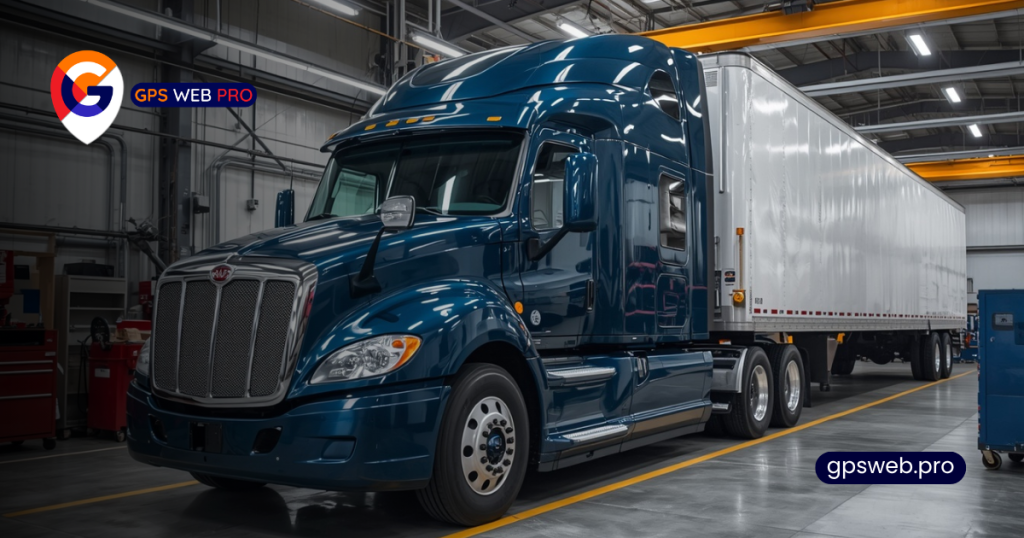
Why does this happen so frequently in the logistics industry? Because mileage is an incomplete metric. It measures distance, but it entirely ignores the mechanical effort and stress required to travel that distance.
As supply chains demand faster, more reliable deliveries in June 2026, relying on the odometer to schedule maintenance is no longer viable. In this article, you will learn why B2B fleets are shifting their focus to real-time engine load telemetry. We will explore how predictive maintenance analytics stops mechanical failures before they occur, keeps your drivers safe, and ultimately safeguards the jobs that keep our economy moving.
The Flaw in the Odometer: Why Mileage is an Incomplete Metric
For decades, the standard procedure for fleet maintenance has been based on distance or calendar intervals. While routine preventive maintenance is better than no maintenance, it leaves a significant blind spot in your operational strategy.
Distance Does Not Equal Mechanical Wear
Consider this scenario: 1,000 miles driven by an empty tractor-trailer on a flat, well-paved interstate is drastically different from 1,000 miles driven by a fully loaded rig navigating steep mountain passes in freezing weather.
The physical toll on the engine, transmission, and braking system in the second scenario is exponentially higher. When you rely exclusively on mileage to determine vehicle health, you are essentially making blind guesses based on average estimates rather than actual vehicle conditions.
Preventive vs. Predictive Maintenance
Traditional preventive maintenance typically leads to one of two expensive outcomes:
- Under-maintenance: Parts fail between scheduled service dates because the truck endured heavier-than-normal operational stress, leading to costly roadside breakdowns and delayed freight.
- Over-maintenance: Perfectly good components are replaced just because an odometer reading dictated it, wasting expensive labor and materials.
Predictive maintenance eliminates this guesswork by responding to the true mechanical realities of the vehicle.
Real-World Consequences: The Safety and Job Security Toll
When vehicle components fail on the highway, it is not merely an operational inconvenience, it is a severe liability that puts lives and livelihoods at risk.
What the FMCSA Data Tells Us
According to the Federal Motor Carrier Safety Administration (FMCSA)’s landmark Large Truck Crash Causation Study, vehicle failure is a factor in 29.4% of all truck accidents. The study specifically highlighted that degraded braking capability is the most frequent mechanical failure found in commercial truck crashes, followed closely by tire and wheel failures.
When an 80,000-pound truck loses its ability to stop safely due to undetected brake wear, the results are catastrophic.
Protecting Driver Jobs and Morale
Drivers are the lifeblood of your B2B logistics operations. When drivers are frequently stranded on the side of the highway dealing with blown engines or failing brakes, morale rapidly deteriorates. Mechanical failures threaten their physical safety and directly impact their earning potential by eating into their available hours of service.
By utilizing advanced fleet telemetry to keep vehicles in peak operating condition, you protect the driver’s job and their life. In an industry that continues to face driver shortages in 2026, a proven reputation for vehicle safety is one of the strongest driver retention tools a company can deploy.
Enter Telemetry: How Engine Load Predicts Failures Before They Happen
This is exactly where advanced fleet management predictive analytics changes the game. By integrating telemetry systems directly into the vehicle’s onboard diagnostics, fleet managers can capture the true story of how hard a truck is working.
How Engine Load Reveals the Truth
Engine load represents the actual mechanical stress placed on a vehicle in real time. A robust predictive maintenance telemetry system continuously monitors critical data points, including:
- Real-time engine load percentages and torque stress
- Fluid temperatures, oil pressure, and quality degradation
- Vibration patterns and transmission anomalies
- Brake pad wear and air system pressure drops
By routing these data points through machine learning algorithms, fleet managers gain a contextual understanding of vehicle health that an odometer could never provide.
The Lead Time Advantage
Instead of waiting for a part to break or a check engine light to appear, AI-driven engine load monitoring acts as an early warning system. According to recent predictive maintenance analytics research, continuously monitoring these operational signals allows algorithms to detect subtle patterns and predict component failures weeks in advance.
This critical lead time allows you to route the truck to a service center, order the correct parts, and perform maintenance during planned downtime—completely avoiding roadside failures.
Seamless Services Integration for Fleet Health
Transitioning from a reactive, mileage-based model to a predictive, data-driven approach requires the right technology partner. It is not enough to just know where your trucks are on a map; you need comprehensive visibility into how they are performing from the inside out.
GPSWEBPRO provides advanced fleet tracking solutions that go far beyond basic GPS dots on a screen. By integrating deep telemetry data—including critical engine load metrics, real-time diagnostic fault codes, and driver behavior analysis, GPSWEBPRO empowers B2B fleet managers to make intelligent maintenance decisions.
Whether you operate a regional delivery fleet or a massive cross-country logistics operation, having access to real-time vehicle health insights allows you to schedule repairs on your terms, significantly reducing unplanned downtime and keeping your operations compliant and safe.
Shift Your Fleet Maintenance from Reactive to Predictive
Mileage will always be a foundational metric in logistics, but it should no longer be the sole deciding factor for maintenance scheduling. By shifting your focus to real-time engine load and advanced telemetry, your fleet can transition from a reactive posture to a predictive powerhouse.
By identifying mechanical stress and predicting failures before they happen, you effectively eliminate unexpected breakdowns, drastically lower maintenance costs, and—most importantly—prevent the devastating accidents caused by mechanical failures. Empowering your maintenance team with predictive data is the ultimate way to protect your assets, your bottom line, and the jobs of the people who keep your business running.
Ready to Upgrade Your Fleet Maintenance Strategy?
Stop letting unexpected roadside breakdowns dictate your logistics schedule. If you are ready to harness the power of predictive maintenance fleet telemetry and protect your fleet from costly mechanical failures, explore the advanced tracking and diagnostic solutions available at GPSWEBPRO.
Have you experienced a roadside breakdown that could have been prevented with better data? Share this article with your maintenance team, or leave a comment below about the biggest maintenance challenge your fleet is facing in 2026!
Frequently Asked Questions (FAQs)
1. What makes engine load a better metric than mileage for maintenance? Mileage only tracks distance, ignoring the physical stress a vehicle endures. Engine load tracks the actual mechanical effort required to move the vehicle—factoring in cargo weight, steep inclines, and harsh weather conditions—giving a much more accurate picture of component wear and tear.
2. Can fleet telemetry really predict a breakdown before it happens? Yes. Modern telematics systems use machine learning algorithms to analyze real-time sensor inputs (like temperature, pressure, and vibration) alongside historical data. These systems detect subtle anomalies that indicate a part is beginning to fail, providing alerts long before a total breakdown occurs.
3. How does predictive maintenance protect driver jobs? When vehicles suffer unexpected mechanical failures, drivers lose valuable hours of service, which directly impacts their paychecks. Furthermore, mechanical failures (like brake loss) are a leading cause of severe accidents. Predictive maintenance ensures drivers are operating safe, reliable equipment, protecting both their income and their physical well-being.