Achieving Maximum Fleet Optimization: A Step-by-Step Guide to Leveraging Telematics Data
Did you know? According to the U.S. Department of Energy, idling can consume up to 1 gallon of fuel per hour; however, fleets using advanced telematics typically see a 20% reduction in idle time through data-driven coaching.
The modern fleet is no longer just a collection of vehicles; it is a mobile data center. As we navigate the operational demands of 2026, the difference between a profitable fleet and one struggling with overhead lies in how effectively managers interpret the “digital exhaust” of their vehicles.
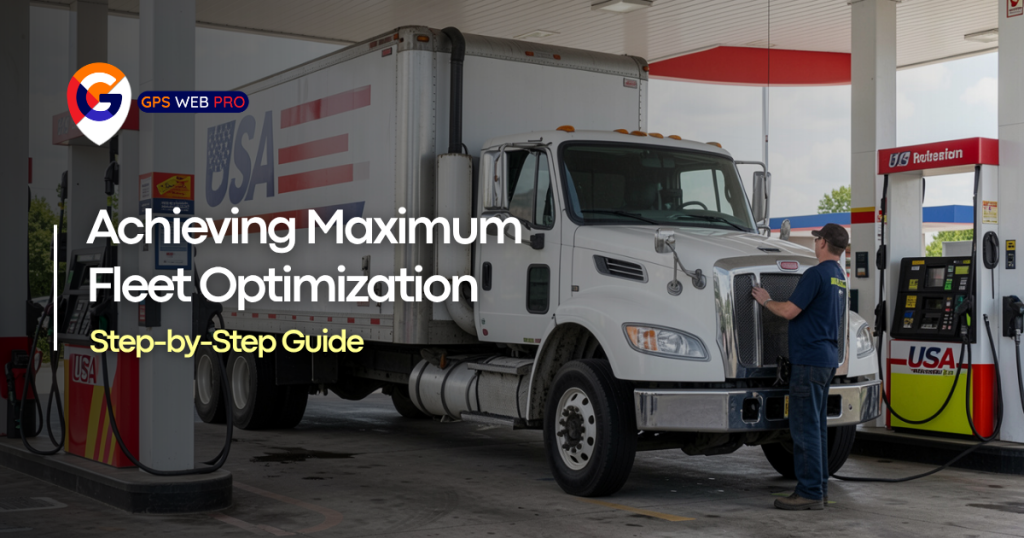
Telematics data offers more than just dots on a map. It provides a blueprint for efficiency. In this guide, we will explore a high-level roadmap to help fleet managers move beyond basic tracking and into the realm of maximum fleet optimization, focusing on tangible cost reduction and enhanced safety protocols.
1. Establishing a Data Foundation: Beyond Simple GPS
To optimize, you must first measure accurately. In 2026, telematics has evolved into integrated IoT ecosystems. The first step in any optimization strategy is ensuring your hardware captures high-fidelity data points.
Transitioning from Reactive to Proactive Management
Most fleets begin with reactive data, checking where a truck was after a delay occurred. Optimization requires moving toward proactive data streams.
- Engine Diagnostics: Monitoring Fault Codes in real-time to prevent roadside breakdowns.
- Fuel Consumption Patterns: Identifying discrepancies between fuel card spend and actual miles driven.
- Compliance Integration: Ensuring that ELD (Electronic Logging Device) data is synchronized with dispatch to maximize available Hours of Service (HOS).
2. Streamlining Route Optimization for B2B Fleets
According to the U.S. Department of Transportation (DOT), traffic congestion and inefficient routing cost the U.S. freight industry billions annually. Route optimization is the “low-hanging fruit” of fleet efficiency.
Leveraging Predictive Analytics
Modern telematics platforms now use historical traffic patterns and weather data to suggest the most efficient routes.
🡲 Reducing “Deadhead” Miles: Use data to find backhaul opportunities, ensuring trailers are rarely empty.
🡲 Geofencing for Efficiency: Set virtual boundaries around delivery zones to automatically alert customers of arrivals, reducing wait times and improving the “last-mile” experience.
3. Improving Driver Safety Through Telematics Reporting
Safety is not just a moral imperative; it is a financial one. According to the Federal Motor Carrier Safety Administration (FMCSA), the average cost of a heavy truck crash involving a fatality is significantly higher when factoring in legal fees, insurance hikes, and lost productivity.
The Power of Driver Scorecards
Telematics allows managers to create a culture of safety without being intrusive.
- Monitoring Critical Events: Track harsh braking, rapid acceleration, and speeding.
- Gamification: Use scorecards to reward the safest drivers, which historically improves retention rates—a critical factor in the 2026 labor market.
- In-Cab Coaching: Real-time alerts can nudge a driver to correct behavior before an incident occurs.
4. Reducing Fuel Costs with Telematics Data
Fuel remains one of the largest line-item expenses for any fleet. Optimization here requires a surgical approach to data.
Identifying the “Invisible” Waste
- Idle Time Reduction: Use telematics reports to identify specific drivers or routes where idling is excessive.
- Speed Management: According to studies endorsed by the U.S. Environmental Protection Agency (EPA), every 5 mph driven over 60 mph is equivalent to paying an additional $0.30 per gallon for fuel. Telematics provides the visibility needed to enforce fuel-efficient speed caps.
5. Transitioning to Predictive Maintenance
The traditional “every 5,000 miles” maintenance schedule is becoming obsolete. Leveraging telematics allows for a Predictive Maintenance model.
- Real-time Alerts: Instead of waiting for a driver to report a “Check Engine” light, the system alerts the shop immediately.
- Extended Asset Life: By addressing small issues before they escalate, fleets can extend the trade-in cycle of their vehicles, significantly lowering capital expenditure.
Integrating Modern Telematics Solutions
Achieving this level of optimization requires a partner that understands the nuances of the U.S. logistics landscape. While hardware is the “eye” of the operation, the software, such as the platforms provided by GPSWEBPRO, acts as the “brain,” distilling thousands of data points into actionable insights for fleet managers. By focusing on fleet management for ROI in 2026, businesses can ensure they remain competitive in an increasingly tight-margin industry.
The Roadmap to Success
Maximizing fleet optimization is a journey, not a destination. By systematically leveraging telematics data, from route planning to driver behavior, fleet managers can transform their operations from cost centers into efficiency engines.
The Future of Fleet Management The most successful fleets in 2026 will be those that stop viewing data as a “check-the-box” requirement and start viewing it as their most valuable asset.
Does your fleet have a data-driven culture?
Share this guide with your operations team to start the conversation on optimization, or comment below with the one telematics metric that has made the biggest impact on your bottom line this year.