
The 2026 Ultimate Guide to Commercial Dashcams: Enhancing Fleet Safety and Telematics
Did you know that according to the Federal Motor Carrier Safety Administration (FMCSA), 71% of large-truck crashes occur due to driver distraction? Discover how AI video telematics is eliminating this risk.
The commercial trucking industry is navigating a challenging landscape in May 2026. With operating margins tightening and insurance premiums susceptible to wild swings, fleet managers can no longer rely on guesswork. To protect drivers, assets, and the bottom line, data-driven visibility is essential. The modern professional-grade, all-in-one AI dash camera built for commercial fleets is no longer just a recording device, it is the nerve center of commercial risk management and loss mitigation.
In this comprehensive, data-backed guide, we will explore everything you need to know about implementing dashcam technology to optimize your operations, safeguard your business, and maximize your telematics ROI with GPSWEBPRO.
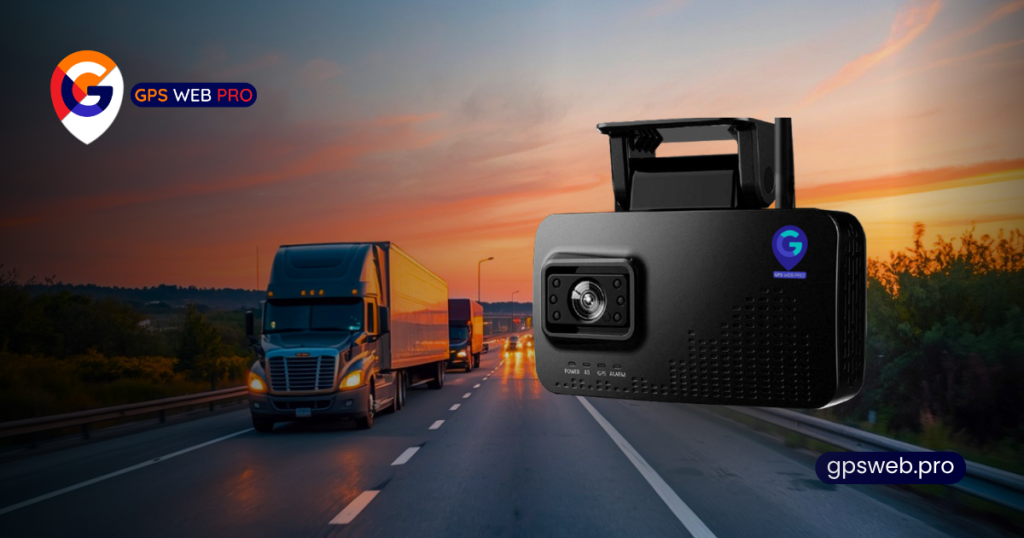
What is a Dashcam
In the context of commercial fleets, a dashcam (dashboard camera) is a specialized video recording device mounted within a vehicle’s cabin. Unlike basic consumer models, a professional-grade fleet dashcam is a connected telematics hub. It captures high-definition video of the road ahead and the interior of the cab, while continuously syncing with GPS tracking, ELD data, and cloud-based software to provide fleet managers with a real-time, comprehensive view of vehicle operations.
How it Works
Modern commercial dashcams leverage edge computing and artificial intelligence. When the vehicle is powered on, the camera begins recording. However, instead of requiring managers to sift through hours of mundane footage, the AI actively analyzes the environment.
The system uses advanced sensors to provide Forward Collision Crash Prevention. By utilizing cameras to monitor traffic conditions, the system alerts drivers to imminent crash hazards. It actively detects Improper Lane Changes, Speed and Distance violations, Harsh Braking, and Harsh Steering. When these events occur, the system flags the data and uploads it via secure cellular networks, allowing for corrective training and safer operations.
Types of Dashcams Currently Accepted by FMCSA
According to the Federal Motor Carrier Safety Administration (FMCSA), dashcams are highly encouraged to promote highway safety. The primary types of FMCSA-compliant commercial dashcams include:
- Road-Facing Cameras: Focused solely on the highway ahead, capturing traffic conditions and external incidents.
- Dual-Facing (All-in-One) AI Cameras: The industry standard for 2026, recording both the road and the driver to counteract fatigue and distraction.
- Multi-Camera Systems: Integrating side, rear, and sensor data with the main dashcam to eliminate blind spots on heavy-duty vehicles.
How to Integrate Dashcam Data Into Your Workflow
Purchasing hardware is only the first step; the true value comes from how you use the data. To seamlessly integrate dashcam data into your daily fleet workflow:
- Centralize Your Telematics: Connect your dashcam feed directly into a unified platform like GPSWEBPRO. This links video footage directly to GPS locations, engine diagnostics, and Hours of Service (HOS).
- Proactive Driver Training: Telematics give transport managers direct insight into driving habits. You can use this data to recognize and reward drivers who engage in desired behaviors, or provide localized training for specific errors.
- Streamline Dispatch: Immediate cloud uploads allow dispatchers to see road conditions and delays in real time, making rerouting and customer communication effortless.
How Are Dashcams Gonna Help You Expand Your Fleet?
Growth requires efficiency. AI dashcams directly contribute to fleet expansion by protecting your assets and improving overall loss performance. By monitoring events and encouraging improvements in driver behavior, telematics systems generate significant increases in overall safety.
This operational stability allows you to allocate funds toward acquiring new vehicles and hiring top-tier drivers instead of paying for preventable accidents, accident reconstruction, and liability claims.
Why Are They So Important?
According to a study from the Insurance Institute for Highway Safety (IIHS 9/3/2020), trucks with forward collision warnings and distance control had 41-44% fewer rear-end crashes than trucks without those technologies.
With 71% of large-truck crashes tied to driver distraction, the ability to counteract these factors in real-time is not just helpful—it is critical for survival. Dashcams provide the objective truth needed to exonerate drivers involved in liability claims and mitigate losses.
More Than a Requirement
While many fleet managers initially view dashcams as a compliance mandate, they quickly become an essential operational tool. They enhance your overall safety culture. Telematics systems give truck operators the power to shift from a reactive business model to a proactive, highly efficient logistics machine.
How Insurance and a Reliable Dashcam Can Accelerate Your Process in Accidents That Weren’t Your Fault
Insurance is one of the top three expenses for a transport company. When an accident occurs, the claims process can stall operations. With a reliable cloud-connected dashcam backed by SIM Card recording redundancies, fleet managers have immediate access to irrefutable video evidence. If the accident wasn’t your driver’s fault, this footage quickly establishes liability on the other party, accelerating the claims process, avoiding rate hikes, and getting your truck back on the road faster.
GPS WEB PRO + QEO Insurance
The insurance market is susceptible to wild swings in premiums. By collecting relevant data related to trucking operations and driver behavior, fleets are better able to develop stability in their insurance costs.
To help fleets achieve this, GPSWEBPRO has formed a strategic partnership with QEO Insurance. Many times, telematics systems and their data make transport companies more attractive to insurers. Through this partnership, GPSWEBPRO clients can take advantage of special Enterprise Pricing models, directly lowering their operational costs while securing top-tier insurance coverage.
GPSWEBPRO Dashcams Features
The fleet video intelligence hardware provided by GPSWEBPRO represents a massive leap forward in hardware reliability and integrated telematics. Key features include:
- LTE, Wi-Fi, and GPS Built-in: Instant, high-speed cloud connectivity and accurate vehicle tracking wherever your routes take you.
- AI Safety (ADAS & DMS Sensors): Advanced Driver Assistance Systems (ADAS) and Driver Monitoring Systems (DMS) work together to actively track speed, distance, lane compliance, and operator fatigue.
- Specially Engineered Heat-Sink Technology: Built to withstand severe operational environments—including extreme Florida weather—preventing overheating and hardware failures in high-temperature regions.
- Two-Way Audio: Enables instant communication between dispatchers and drivers during critical events or emergencies.
- Cloud & SIM Redundancy: Cloud-based recording backed by physical SIM Card recording redundancies on robust national networks so your footage is never lost.
Benefits of Working with the GPSWEBPRO Team
Partnering with GPSWEBPRO means securing a dedicated technology partner. Our team provides:
- Tailored Solutions: Hardware and AI applications customized for your specific fleet operations.
- 24/7 Customer Service: Unmatched, round-the-clock support to ensure your systems are always operational. (English/Spanish)
- Cost Stability: Direct pathways to stable insurance rates and Enterprise pricing models via our carrier partnerships.
How to Hire GPSWEBPRO Dashcam Services
Upgrading your fleet’s safety intelligence is straightforward.
- Consultation: Connect with our experts to discuss your specific vehicle types, routes, and operational challenges.
- Customized Proposal: We will design a telematics package tailored to your needs, unlocking special Enterprise Pricing through QEO.
- Deployment: Take advantage of our 24/7 support as you integrate our robust mobile asset management solutions into your fleet.
Contact Us
Stop leaving your fleet’s safety, insurance rates, and profitability to chance. Equip your vehicles with the intelligent tools they need to navigate the roads of 2026 securely.